About Shredded E-Waste Plastic 1-2 mm
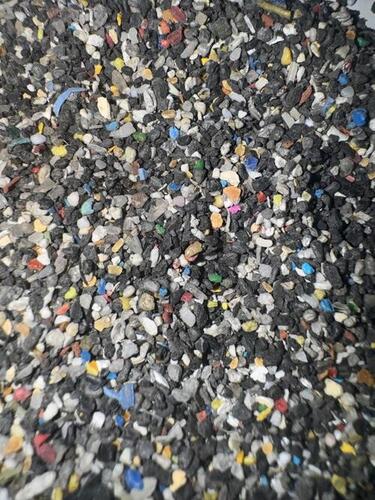
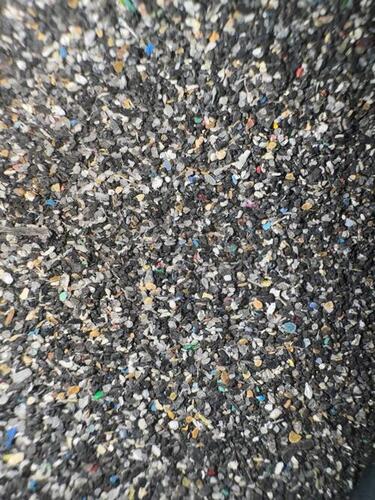
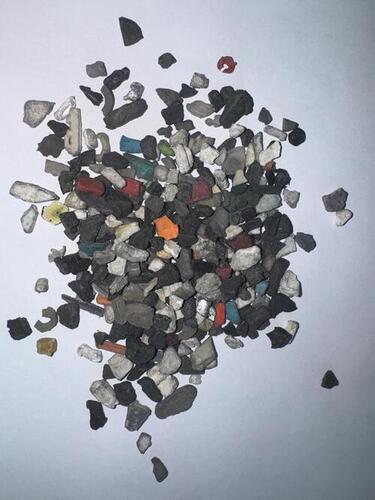
Gremlog Trading DMCCis pleased to announce the availability of Waste electrical and electronicequipment (WEEE) plastic in the United Arab Emirates. WEEE plastic, sourcedfrom Waste Electrical and Electronic Equipment, is instrumental in advancingrecycling and sustainability efforts. This material is recovered from obsoleteelectronic devices and processed into valuable raw materials for manufacturingnew products, thereby significantly reducing environmental impact. By offeringWEEE plastic, Gremlog Trading DMCC aims to bolster eco-friendly initiatives andpromote a circular economy in the region. Businesses can now accesshigh-quality recycled plastic for a variety of applications, includingpackaging, automotive components, and construction materials, thus contributingto a more sustainable future. Additionally, we offer WEEE plastic in four sizes:0-1 mm, 1-2 mm, 2-4 mm, and 4-8 mm, to meet diverse industry needs andspecificationsOptimizing Raw Material for Plastic ReprocessingShredded E-Waste Plastic is engineered for reliable recycling and compounding, sourced from diverse electronic equipment. With granules sized at 1-2 mm, it ensures efficient mixing and melting during re-manufacturing, enhancing downstream processing flexibility and cost-effectiveness. Coupled with mixed color and plastic composition, it accommodates multiple industrial requirements.
Safety, Compliance, and Storage GuidelinesThis shredded plastic is flammable and should be stored safely in dry areas shielded from sunlight. It is subject to EPR and WEEE regulations, requiring strict compliance from distributors and manufacturers. Proper handling minimizes fire hazards and upholds environmental responsibilities associated with electronic waste recycling.
Versatile Applications Across IndustriesIdeal for recycling facilities, compounders, and plastic manufacturers, the shredded material supports production of new components, automotive parts, and consumer goods. The blend of plastic types offers flexibility for varied melting and molding processes, making it suitable for bulk supply to global clients seeking sustainable solutions.
FAQs of Shredded E-Waste Plastic 1-2 mm:
Q: How is Shredded E-Waste Plastic 1-2 mm typically used in manufacturing and recycling?
A: It serves as a raw material for recycling, compounding, or re-manufacturing processes, allowing producers to generate new plastic goods, components, or pellets while utilizing post-consumer electronic waste.
Q: What precautions should I take when storing this shredded plastic material?
A: Store the material in a dry, covered area, away from direct sunlight to preserve quality and minimize moisture absorption. Avoid storing near heat sources, as the plastic is flammable under high temperatures.
Q: Which plastic types are commonly present in Shredded E-Waste Plastic blends?
A: The shredded mix usually consists of ABS, HIPS, polypropylene, polycarbonate, and other thermoplastics commonly found in electronics, providing varied melting and strength characteristics.
Q: Are there any regulatory considerations for importing or using this material?
A: Yes, handling and distribution are subject to Extended Producer Responsibility (EPR) and Waste Electrical and Electronic Equipment (WEEE) regulations, requiring proper tracking and environmental compliance.
Q: What level of impurities should I expect in this product?
A: While predominantly plastic, the shredded granules may contain minor traces of metal, residual contaminants, and other non-plastic impurities due to the nature of e-waste sourcing.
Q: What advantages does jumbo or customized packaging offer for bulk purchasers?
A: Jumbo and custom packaging types provide cost-effective transport, easier storage, and the flexibility to meet varied buyer requirements, ensuring seamless supply chain integration for distributors and manufacturers.
Q: Does the heat resistance and melting point of this material vary by composition?
A: Yes, the heat resistance typically ranges from 80-120C, while melting points span 160-280C, dependent on the mix of plastic types within each batch of shredded material.





 Send Inquiry


 Send Inquiry
 English
 Spanish
 French
 German
 Italian
 Chinese (Simplified)
 Japanese
 Korean
 Arabic
 Portuguese